
The short answer
- Mark the belongings you are keeping first, including anything undecided, so they remain outside the agreed removal scope.
- Arrange charity pickup or resale yourself and distinguish those items from the furniture and boxes chosen for hauling.
- Give special-disposal items their own public-program route, then discuss stairs, doorways, parking and gates as part of the hauling plan.
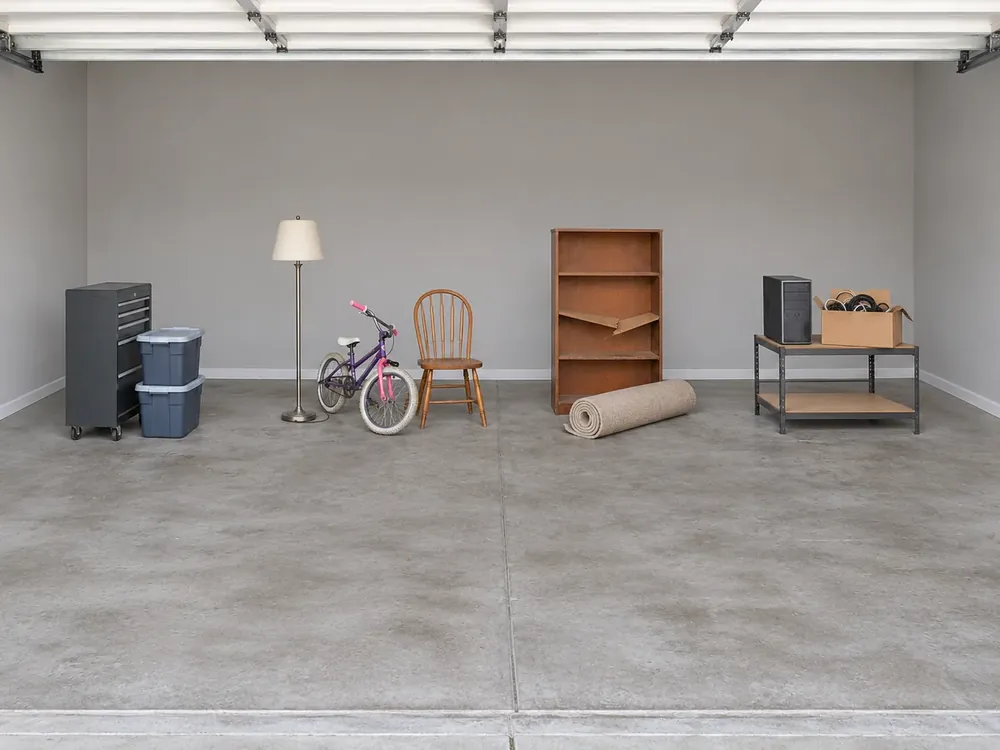
Four Groups Keep the Clean-Out Decisions Clear
Sort belongings into keep, donate or sell, haul away and special drop-off, in that order. You can call with a room untouched or with several decisions outstanding. Sorting items before junk removal means making the intended destination clear; you don't have to carry everything into a garage or driveway. Decide what a house cleanout includes room by room. Choose what a garage cleanout includes by identifying the belongings that need to leave that space.
Keep Belongings Get Identified First
Belongings you want to keep should be clearly distinguished from everything going. Tape on ordinary furniture or a designated closed room can mark what stays. Keep family papers, photographs, keys and useful household items outside the removal scope. Leave anything undecided with the keep group until someone has made the choice.
Deciding what to keep when cleaning out a house takes more than spotting everyday essentials. A chair might be promised to a relative, while a cabinet contains papers nobody has reviewed. Say so during the call. Leave heavy pieces where they are and identify them; the crew handles the carrying for the agreed removal items.
Donate or Sell Means You Arrange the Handover
Usable belongings intended for someone else stay separate until you arrange their pickup or sale. Consider condition, missing parts and whether a neighbor or relative wants the item. A charity decides what it accepts, and a buyer needs an agreed handover. Keep these plans distinct from the hauling job.
For an estate, nominate one family contact to approve what goes. Relatives can choose belongings room by room without treating the first removal visit as a deadline for every decision. An unopened drawer or disputed piece stays out of the agreed load. The estate and house clean-out service starts with the rooms and items you authorize.
Haul Away Covers the Items You Approve
Furniture, boxes and other ordinary household belongings chosen for removal form the hauling scope. If you're deciding how to clean out a garage, start by identifying what must remain useful: storage shelves, tools or room for the car. When working out how to declutter a garage, label decisions without moving heavy objects yourself.
For anyone considering how to clean out a house, use a clean out checklist that records decisions and access together:
| Group | Decision to record | What to tell the crew |
|---|---|---|
| Keep | Remains in the home | Which rooms and pieces are excluded |
| Donate or sell | Handover arranged by you | Which belongings are reserved |
| Haul away | Approved for removal | Items, rooms and carrying route |
| Special drop-off | Separate public-program route | Which items are excluded from the load |
One of our local junk removal partners will discuss the selected load and access with you, then explain the scope and price before work starts. A later change in what goes needs a fresh discussion before loading that item.
Special Drop-Off Items Stay Outside the Load
Household chemicals and electronics need their own collection arrangements. Keep paint, chemicals, fuel, propane, batteries and medications separate from household hauling; use the public program that accepts the exact material.
SWALCO's chemical collection list accepts architectural paint and household batteries but excludes medications, electronics and propane tanks. The appointment rules apply to Illinois residents bringing residential waste. For labeled small single-use propane cylinders, use its special-material collection program, which requires a separate appointment.
SWALCO's medication disposal information directs residents toward designated pharmaceutical collection locations. Illinois EPA's electronics collection finder helps locate a program for an old computer or screen. Use those routes for special items, never the junk truck.
Access Details Belong in the Removal Plan
Stairs, tight doorways, parking and gates shape how the crew reaches the chosen items. Share those details on the call, including furniture still upstairs or behind a narrow basement turn. Keep the carrying route clear for the visit. Gas, water and hard-wired connections need separate attention; ask on the call who handles them. A partially sorted room is enough to start the conversation.